


The Thrill of Risk and Reward
The allure of casinos lies significantly in the psychological dynamics of risk and reward. Human beings are naturally drawn to the excitement of uncertain outcomes, a phenomenon rooted in the brain’s reward system. When players engage in gaming activities, they experience a surge of dopamine—a neurotransmitter associated with pleasure and reinforcement—particularly when they win. This release creates a compelling cycle where the thrill of winning motivates further engagement, often leading individuals to gamble more as they chase that exhilarating feeling.
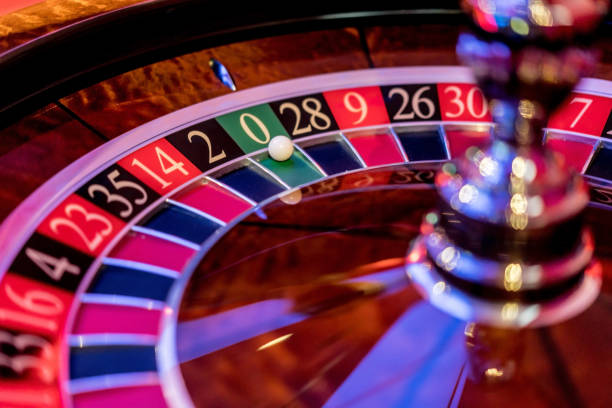
Moreover, the design of casinos amplifies this thrill. The vibrant lights, sounds of machines chiming, and the celebratory atmosphere are all crafted to enhance feelings of excitement and anticipation. This sensory stimulation is not just about entertainment; it’s strategically used to keep players invested in the experience, making it easy for them to lose track of time and money while seeking the next big win. online casinos that accept mastercard
The Role of Psychological Triggers
Additionally, casinos employ various psychological strategies, such as near-misses and small wins, to keep players hopeful. For instance, when a player almost hits a jackpot, this experience can lead to increased anticipation and a desire to continue playing. Such triggers appeal to the psychological mechanism of hope, reinforcing the belief that a significant win is just around the corner.
The Impact of Social Influences
Social dynamics heavily influence casino gaming habits. Many people are drawn to casinos not only for the gaming experience but also for the social interactions they facilitate. The communal atmosphere of a crowded casino can enhance the enjoyment of gaming, creating a sense of belonging and shared excitement among players.
Moreover, peer influence can significantly affect gambling behaviors. People may gamble to fit in or impress friends, resulting in higher betting amounts or riskier behaviors. The social aspect can also lead to loss of self-control, as the desire to maintain one’s image within a group might override personal judgment regarding gambling habits.
Addiction and Compulsive Gambling
The psychological mechanisms behind casino gaming can sometimes lead to addiction, presenting serious consequences for individuals and their families. Compulsive gambling is a recognized disorder, where individuals continue to gamble despite negative impacts on their lives. This condition often stems from the very same psychological triggers that attract players in the first place—the thrill of risk, potential for reward, and social dynamics.
Treating gambling addiction typically involves psychological counseling and support groups aimed at addressing underlying issues and breaking the cycle of dependency. Recognizing the problem is the first step towards recovery, and those affected are encouraged to seek help from professionals who specialize in such disorders.

Connecting Women through Empowering Communities
At Hope for Women Magazine, we understand the effects that gambling can have on individuals and families, particularly among women. Our platform is dedicated to inspiring and uplifting women by providing insightful articles and resources that address various aspects of their lives, including health, well-being, and personal development.
By exploring themes like the psychology of gaming habits, we aim to foster discussion and community support around important issues. We invite you to connect with us as we share empowering information and help women navigate their journeys toward growth and self-discovery.